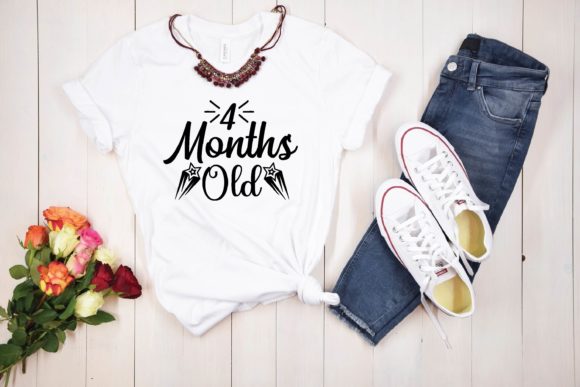
Reviewing the 9 Months Old Svg for Embroidery Projects
As a designer who spends half my life digitizing files and the other half stitching them out, I have learned that not every graphic translates well to thread. We often see digital assets marketed broadly, but the reality of putting needle to fabric is a different story entirely. Recently, I pulled the 9 Months Old Svg into my workflow to evaluate its potential for real-world application. This isn’t just about whether the file opens correctly; it is about whether the design holds up under the tension of the hoop and the scrutiny of a paying customer.
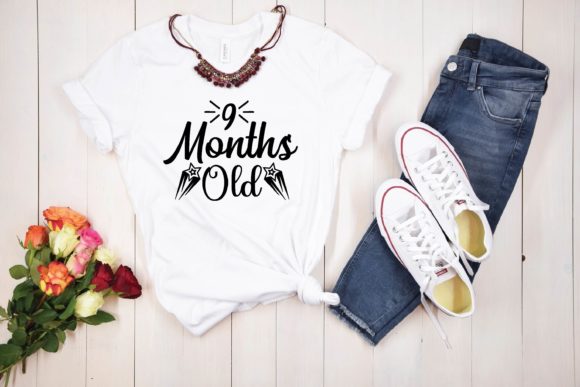
The initial impression of this design is one of celebratory simplicity. The theme is specific yet universally understood in the parenting and gift-giving niche. When I first loaded the file, I was looking for clean lines and balanced proportions. For a milestone marker like nine months, the visual personality needs to be soft enough for a baby item but bold enough to read clearly on a garment. The layout feels approachable, avoiding the clutter that often plagues generic birthday graphics. It creates a mood of gentle anticipation, which is exactly what you want when creating a personalized gift or a keepsake item.
From Digital File to Stitched Reality
The product description notes that this is an instant download cutting file compatible with software like Cricut and Silhouette. However, as an embroidery specialist, I look at SVGs differently. An SVG is vector-based, meaning it scales infinitely without losing quality, which is excellent for resizing before digitizing or using as a template for applique. If you are using this strictly as a T-Shirt Designs graphic for heat transfer vinyl, the clarity is likely sufficient. But if you are planning to use this as a reference for a machine embroidery design, you must consider how those shapes translate to stitch types.
In a real-life scenario, I imagined this design on a custom embroidered sweatshirt for a client’s niece. The nine-month milestone is a sweet spot where babies are becoming more interactive, and parents love documenting these stages. I visualized the text paired with a small icon or balloon element, stitched in a satin stitch for smoothness or a fill stitch for durability. The key here is spacing. If the elements are too close together, the stitches will merge, creating a muddy look. If they are too far apart, the design loses cohesion. This particular SVG appears to have enough breathing room between elements, which is crucial for maintaining legibility after stitching.
Navigating Fabric and Hoop Constraints
One of the most critical aspects of using any digital asset for embroidery is understanding where it fails. While 9 Months Old Svg is versatile, it requires careful handling on certain materials. For instance, if you are working on a textured fabric like a waffle-knit towel or a thick fleece blanket, fine details can get lost. In these cases, I recommend simplifying the design or increasing the stitch density slightly to ensure coverage.
Curved surfaces present another challenge. If you are applying this to a cap or a curved baby hat, the center of the design may pull or pucker if the stabilizer is not adequate. Always use a cut-away stabilizer for stretchy fabrics like jersey knits commonly found in baby clothes. For woven fabrics like cotton tote bags, a tear-away might suffice, but test it first. The hoop size is also a limiting factor. If you are working with a small 4x4 hoop, you may need to split the design or reduce the size significantly, which could compromise the readability of any smaller text elements included in the graphic package.
Dark fabrics require special attention to thread colors. A light-colored thread on a navy or black sweatshirt will pop, but you must ensure there is no underlying show-through. Using an underlay stitch properly during the digitizing phase—or choosing a high-contrast thread palette—can make or break the finished product. I always advise running a test stitch-out on scrap fabric of the same type and color before committing to the final garment. This simple step saves hours of frustration and protects your reputation as a craftsperson.
Commercial Viability and Brand Consistency
For Etsy sellers and small shop owners, the appeal of a design like this lies in its niche specificity. "Nine months" is a targeted search term. Parents searching for milestone outfits are often looking for something unique and high-quality. Using a generic clipart style can hurt your brand consistency, but a well-executed version of this design can enhance it. The perceived value of a handmade product increases when the embroidery looks professional, with clean trim points and consistent tension.
When listing this as part of your Graphics or finished product offerings, consider the context. Is it part of a series? Does it match your other milestone designs? Consistency in style helps build customer trust. If you are selling the digital file itself, ensure you clarify the license terms. Since this is described as an instant download for cutting machines, verify if commercial use is permitted for physical items. Many creators assume they can sell unlimited finished goods, but licensing varies. Always read the terms provided by the creator to avoid legal issues down the line.
Practical Designer Notes for Execution
To get the best results from 9 Months Old Svg, follow these practical steps:
- Test on Scrap Fabric: Never skip this. Check for puckering, thread breaks, and color blending.
- Check Thread Contrast: Ensure your thread colors stand out against the fabric background, especially for small details.
- Review Stitch Density: If digitizing from the SVG, adjust density based on fabric weight. Too dense on thin fabric causes stiffness; too light on thick fabric looks sparse.
- Confirm Hoop Size: Make sure the design fits comfortably within your hoop with adequate margin for clamping.
- Inspect Small Details: Zoom in on the vector file. Are there tiny anchor points or stray nodes that could cause stitching errors?
- Mockup in Black and White: This helps you see the contrast and shape clarity without the distraction of color.
- Use Proper Stabilizer: Match the stabilizer to the fabric type. Cut-away for knits, tear-away for wovens.
- Verify Licensing: Confirm if the file allows for commercial sale of finished physical items or if it is for personal use only.
In conclusion, the 9 Months Old Svg offers a solid foundation for both cutting and embroidery projects, provided you approach it with a designer’s eye. It is not just a file; it is a component of a larger creative process. Whether you are making a tote bag design for a baby shower gift or a sweatshirt embroidery for your online store, the success of the project depends on how well you adapt the digital graphic to the physical constraints of thread and fabric. By paying attention to detail, testing thoroughly, and respecting the material, you can turn this simple graphic into a cherished heirloom or a best-selling item in your shop.