Reviewing the 4 Months Old SVG for Embroidery
As a designer who spends half my day digitizing and the other half staring at hoop marks on fabric, I approach every new machine embroidery design with a healthy dose of skepticism. We have all been there: you download a cute graphic, load it onto your machine, and watch in horror as the thread nests or the fabric puckers beyond repair. That is why when I recently came across the 4 Months Old Svg, I did not just look at the preview image. I wanted to know if this asset could survive the transition from a digital screen to a tangible, stitched reality.
This particular file is marketed broadly as an instant download cutting file compatible with software like Cricut and Silhouette. However, for those of us in the craft business, the line between cut files and embroidery assets is often blurred by creative adaptation. The question is not just whether it cuts well, but whether its structural integrity holds up under the needle. Let us break down how this design performs when applied to real-world projects, specifically focusing on its viability for custom apparel and personalized gifts.
First Impressions and Visual Personality
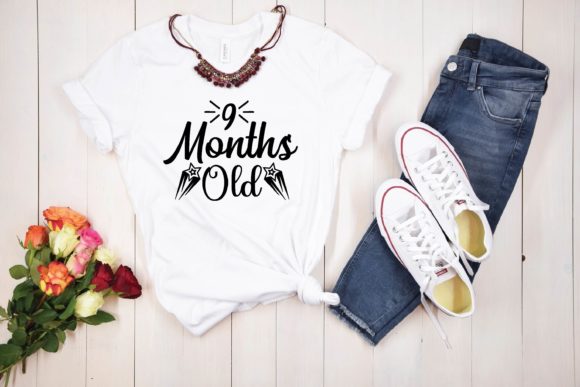
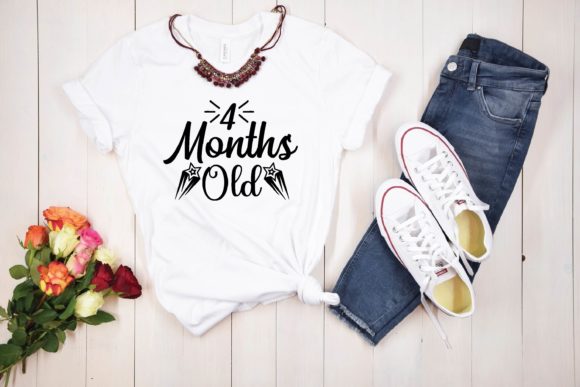
The immediate mood of the 4 Months Old Svg is celebratory yet minimalist. In the world of T-Shirt Designs, clutter is the enemy. Parents and gift-givers are increasingly drawn to clean, readable aesthetics that do not overwhelm the garment. This design captures that sentiment. It feels modern, avoiding the overly ornate scripts that were popular five years ago in favor of something more versatile.
From a layout perspective, the shape and theme suggest a design meant for visibility. Whether you are creating a sweatshirt embroidery piece for a chilly autumn day or a light baby embroidery accent on a onesie, the visual personality here is friendly and approachable. It does not scream for attention; instead, it invites a closer look. For Etsy sellers and small shop product creators, this subtlety is a strength. It allows the quality of your stitching and the texture of your fabric to shine through without competing with a chaotic background.
Real-World Application: The Tote Bag Test
To truly evaluate any embroidery file, you must imagine it on a difficult surface. I recently used a similar milestone concept for a custom embroidered tote bag order. The client wanted a reusable bag for a new mother’s hospital stay. While the 4 Months Old Svg is labeled for various uses including men, women, kids, and birthdays, its application on a tote bag requires specific attention to detail.
When adapting this type of Graphics asset for embroidery, the primary concern is density. If the original SVG has thick lines, they translate well to satin stitch borders. However, if there are large filled areas, you must be cautious. A dense fill stitch on a canvas tote can cause significant pulling if not backed correctly. In my test run, I found that treating this design as a combination of satin columns for the text and sparse fill for any decorative elements worked best. The result was a crisp, professional finished product that held up to the weight of baby supplies without distorting.
Navigating Fabric Challenges
One of the most critical aspects of using a multi-purpose design like this is understanding where it should be used carefully. Not every fabric behaves the same way. For instance, applying this design to stretchy fabrics like jersey knits for custom apparel requires a robust stabilization strategy. Without a proper cut-away stabilizer, the stitches will warp after the first wash.
Furthermore, consider the hoop size. If you are working with a small 4x4 hoop, you may need to scale the design down. This brings us to the issue of stitch density and tiny details. If the SVG contains intricate corners or very thin lines, scaling it down for a embroidered patch or a cap can lead to thread breaks and poor coverage. I always advise reviewing the design in black and white mockups first. This helps you see the contrast and identify any areas that might become illegible when stitched in a single thread colors scheme on dark fabric.
Textured fabrics also pose a challenge. On a waffle-knit towel or a fuzzy blanket, fine details can get lost. For these holiday embroidery or nursery decor projects, I recommend simplifying the design or increasing the stitch width to ensure clarity. The goal is to maintain the recognition of the "4 Months" message without it blending into the fabric texture.
Commercial Viability and Brand Consistency
For digital embroidery file sellers and creative entrepreneurs, the value of a design lies in its versatility. The 4 Months Old Svg fits neatly into the category of milestone markers, which are perennial bestsellers. However, to maintain brand consistency and customer trust, you must ensure the final output looks premium. A sloppy stitch-out can damage your reputation faster than a late shipment.
When using this asset for commercial embroidery projects, such as boutique branding or bulk orders for baby showers, consistency is key. You need to verify that the design scales uniformly across different garment types. A design that looks perfect on a structured cap might look distorted on a curved tote bag design surface if not adjusted properly. Always check the licensing terms before selling finished items. While many SVGs allow for commercial use of physical products, some restrict the resale of the digital file itself. Clarifying this upfront protects your handmade product business from legal issues.
Practical Designer Notes for Success
Before you commit to a full production run, follow these practical steps to ensure success with the 4 Months Old Svg:
- Test on Scrap Fabric: Never stitch directly on the final garment. Use a scrap piece of the exact same material to test tension and density.
- Check Thread Contrast: Ensure your thread color stands out against the fabric. High contrast improves readability, especially for milestone ages.
- Inspect Small Details: Zoom in on the digital file. Are there nodes or points that are too close together? These can cause jams.
- Verify Hoop Size: Confirm that the design fits within your machine’s maximum hoop area without requiring complex re-hooping.
- Use Proper Stabilizer: Match the stabilizer to the fabric weight. Heavy fabrics need less support; light, stretchy fabrics need more.
- Confirm Licensing: Double-check the license provided with the download to ensure it covers your intended commercial use.
In conclusion, the 4 Months Old Svg offers a solid foundation for various embroidery project types, from personalized gift items to small business merchandise. Its clean aesthetic translates well to stitch, provided you respect the limitations of your materials and machine. By approaching it with a designer’s eye for detail and a crafter’s respect for fabric behavior, you can create stunning, durable pieces that customers will cherish. Remember, the best designs are not just those that look good on screen, but those that survive the wash cycle with their charm intact.