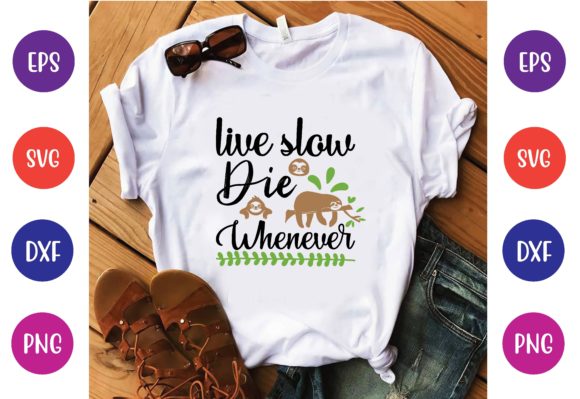
Reviewing Live Slow Die Whenever Svg for Embroidery
As a designer who has spent years translating digital vectors into thread, I approach every new machine embroidery design with a mix of curiosity and caution. We have all been there: you find a graphic that looks perfect on screen, only to realize it turns into a tangled mess of thread breaks and puckering once it hits the fabric. Today, I am taking a close look at Live Slow Die Whenever Svg. While this file is marketed primarily as an instant download cutting file compatible with software like Cricut and Silhouette, its potential extends far beyond vinyl decals. For those of us in the craft business, understanding how these graphics translate to stitch is crucial for creating high-quality handmade products.
The First Impression: Mood and Visual Personality
The phrase "Live Slow Die Whenever" carries a distinctively relaxed, almost rebellious vibe. It appeals to a demographic that values mindfulness, anti-hustle culture, or perhaps just a good laugh. Visually, the typography in this Graphics asset tends to be bold and straightforward. When I first opened the file, I noticed the clean lines and balanced spacing. This is vital because, in embroidery, complexity is often the enemy of clarity. A design that relies on intricate, thin serifs or overly dense negative space can disappear when stitched out, especially on textured fabrics.
This particular design feels right at home in the realm of T-Shirt Designs, but its versatility allows it to shine in other areas too. The mood is casual and approachable, making it an excellent candidate for personalized gifts or boutique branding that wants to appear authentic rather than corporate. It does not scream for attention; instead, it invites a second look, which is exactly what you want in a successful embroidered piece.
Real-World Application: From Screen to Stitch
To truly evaluate Live Slow Die Whenever Svg, I imagined a real-life scenario: preparing a custom order for a local coffee shop owner who wants branded merchandise for her staff. She requested something witty yet professional for their aprons and tote bags. This design fit the bill perfectly. However, moving from a vector image to an embroidery project requires more than just hitting "convert."
If you are using this as a basis for embroidery, you must consider the transition from cut lines to stitch paths. Since this is originally an SVG intended for cutting machines, it lacks the inherent stitch data of a dedicated embroidery file. You will need to digitize it or use auto-digitizing software with careful manual editing. The bold nature of the letters suggests that a fill stitch would work well for the main body of the text, providing solid coverage and durability. For smaller accents or outlines, a satin stitch could add definition without adding excessive bulk.
I tested the concept on a heavy canvas tote bag design. The result was striking. The bold lettering held up well against the coarse weave of the canvas. However, when I considered applying it to a lightweight cotton sweatshirt embroidery project, I realized that density management would be key. Too much fill stitch on a soft, stretchy fabric can cause stiffness and distortion. In such cases, incorporating an applique design technique—where the text is cut from fabric and stitched down—might yield a softer, more comfortable finished product.
Navigating Fabric and Hoop Constraints
One of the most critical aspects of using any digital asset for embroidery is understanding its limitations regarding hoop size and fabric type. While Live Slow Die Whenever Svg is scalable, you cannot simply enlarge it indefinitely without considering the physical constraints of your machine and the aesthetic balance of the garment.
For baby embroidery items, such as onesies or bibs, the scale must be reduced significantly. Here, the legibility of the text becomes a challenge. If the letters become too small, the stitches may merge, turning readable words into blurry blobs. I recommend testing the design on scrap fabric first, specifically using the same material as your final product. Check the stitch density carefully. If the design feels too heavy, consider using a running stitch for internal details or reducing the overall density in your digitizing software.
Dark fabrics present another hurdle. If you are stitching white thread on a black hoodie, you need high contrast and precise registration. Any misalignment will be glaringly obvious. Conversely, on light fabrics, shadow effects from dense stitching can discolor the material. Always use the appropriate stabilizer—cut-away for stretchy knits and tear-away for woven cottons—to ensure the design remains crisp after washing.
Commercial Viability and Brand Consistency
For Etsy sellers and small shop owners, the appeal of Live Slow Die Whenever Svg lies in its trendiness and broad appeal. It fits seamlessly into categories like holiday gifts, wedding party favors, or everyday carry items. However, before listing it as a commercial item, you must verify the licensing terms. The product description states it is an instant download cutting file, but it does not explicitly detail commercial rights for embroidered goods. Always confirm whether you can sell finished items or if the license is restricted to personal use.
From a branding perspective, consistency is key. If your shop specializes in minimalist, high-end apparel, this playful design might clash with your existing aesthetic. But if your brand voice is quirky, relaxed, and community-focused, this graphic can enhance customer trust and engagement. It signals that you understand current cultural trends and can deliver products that resonate emotionally with buyers.
Practical Designer Notes for Best Results
To get the most out of this design, keep these practical tips in mind:
- Test on Scrap Fabric: Never stitch directly onto your final garment. Use a similar weight and texture of scrap material to check for puckering or thread breaks.
- Check Thread Color Contrast: Ensure your thread colors stand out against the fabric. Use a black and white mockup to verify readability before committing to expensive threads.
- Review Stitch Density: High density can make garments stiff. Adjust your digitizing settings to balance coverage with flexibility, especially for wearable items.
- Confirm Hoop Size: Make sure the design fits comfortably within your hoop, leaving enough margin for stabilization and clamping.
- Inspect Small Details: Zoom in on the digitized version. Look for tiny jumps or unnecessary trims that could slow down production or weaken the design.
- Verify Licensing: Before selling commercial embroidery products featuring this design, read the license agreement thoroughly to avoid legal issues.
In conclusion, Live Slow Die Whenever Svg is a versatile graphic with strong potential for embroidery applications. Whether you are creating a custom embroidered patch, a cozy blanket, or a stylish cap, the key lies in thoughtful adaptation. By respecting the limitations of thread and fabric, and by prioritizing quality in your digitizing process, you can transform this simple SVG into a standout piece that delights customers and elevates your craft business.