Reviewing Don’t Be a Basic Witch Svg for Embroidery
As a designer who spends more time staring at stitch simulations than I care to admit, I approach every new digital embroidery file with a healthy dose of skepticism. We have all been there: you download a trendy graphic, load it into your software, and realize the lines are too thin for satin stitch or the details will vanish into the fabric texture. That is why I took a close look at the Don’t Be a Basic Witch Svg to see if it holds up in a real-world embroidery project.
This design lands squarely in the seasonal humor category, but its utility goes beyond a simple Halloween gag. The phrase itself suggests attitude, which translates well into stitched text when handled correctly. While the product description highlights its compatibility with cutting machines like Cricut and Silhouette, my focus here is strictly on how this graphic performs when translated into thread. For those of us running a craft business or selling on Etsy, understanding the difference between a cut file and a stitch-ready asset is crucial.
First Impressions and Visual Personality
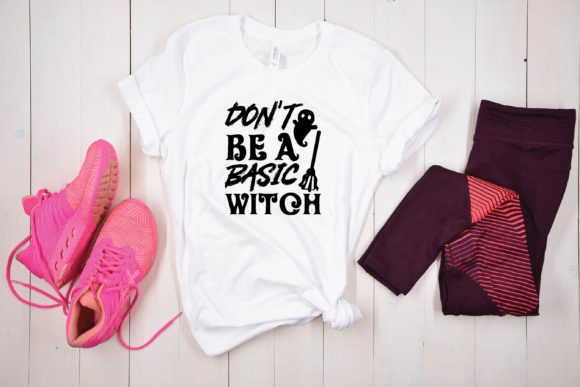
The immediate mood of Don’t Be a Basic Witch Svg is playful yet bold. It does not rely on intricate, spooky illustrations that require thousands of stitches. Instead, it leans on typography and minimal iconography. This is a smart move for embroidery. Complex illustrations often result in high stitch density, which can puckers lightweight fabrics. A design that prioritizes clear shapes and readable text is far more versatile for a handmade product line.
When I visualized this on a dark heather grey sweatshirt, the contrast popped immediately. The "witch" theme allows for creative thread choices. You are not limited to black and orange. Imagine deep purples, forest greens, or even metallic gold threads for a boutique feel. The layout feels balanced, meaning it should sit well on various garments without looking cramped or lost. For an Etsy seller, this versatility is key because it reduces the need to create multiple variations of the same design.
Real-World Application: The Tote Bag Test
To truly evaluate a design, you must imagine it on a specific item. I pictured this design on a canvas tote bag design. Canvas is forgiving, but it has a distinct weave. If the lettering in the SVG is too thin, the needle might perforate the fabric excessively, leading to weakness over time. However, given the bold nature of the phrase, I suspect the lines are substantial enough to handle a standard fill stitch or a thick satin stitch border.
This particular piece would shine as a personalized gift for friends who appreciate dry humor. It fits perfectly into the category of holiday embroidery projects that people want to wear or use throughout October, not just on the 31st. Because the sentiment is about personality rather than a specific date, it has a longer shelf life as a small shop product. Customers are more likely to buy something they can wear to a fall festival or a casual brunch than a item that screams "trick or treat" only.
Considerations for Apparel and Accessories
If you are planning to use this for custom apparel, such as t-shirts or hoodies, pay attention to the fabric stretch. Knits require proper stabilization. Since this is likely a text-heavy design, ensuring the letters do not distort during stitching is vital. I recommend using a cut-away stabilizer for garments that will be washed frequently. This ensures the finished product maintains its shape and the text remains crisp.
For baby embroidery or kids' items, scale is everything. You must resize the design to fit smaller hoops. Before you commit to stitching on a delicate onesie, run a test on scrap fabric. Check if the small details, such as any decorative elements accompanying the text, hold up when scaled down. If the design includes tiny serifs or intricate witch hat brims, they might need simplification for smaller hoop sizes.
Technical Challenges and Stitch Strategy
One critical aspect to consider is the transition from vector to stitch. Since the source is an SVG intended for cutting, it may not come with pre-defined stitch types. You will need to assign these in your embroidery software. For the text, a satin stitch works best for medium-sized lettering, providing a smooth, glossy finish. For larger filled areas, a fill stitch with appropriate underlay will prevent gaps. If there are outline elements, a running stitch or stem stitch can add definition without adding bulk.
Be cautious with thread colors. High contrast is your friend here. Stitching light thread on dark fabric requires careful tension settings to avoid pulling the fabric up. Conversely, dark thread on light fabric can show shadows if the density is too low. Always create a printable mockup or a digital simulation in black and white first. This helps you identify potential issues with legibility before you waste expensive thread and time.
Commercial Viability and Brand Consistency
For commercial embroidery professionals, this design offers a quick turnaround. It does not require hours of machine time, which keeps production costs low. This makes it an ideal candidate for bundle deals or add-on items in your online store. However, always verify the license terms. Just because a file is compatible with your machine does not mean it is cleared for commercial sale. Ensure you have the right to sell the embroidered patch or garment featuring this design.
Using consistent design assets helps build brand recognition. If your shop specializes in witty, modern quotes, Don’t Be a Basic Witch Svg fits that narrative perfectly. It signals to your audience that you understand current trends while delivering quality craftsmanship. When customers see a clean, well-stitched execution of a popular meme or phrase, it builds trust. They know you are not just slapping a generic image on a shirt; you are curating a custom apparel experience.
Final Verdict for Makers
The Don’t Be a Basic Witch Svg is a solid choice for makers who want to tap into the fall market without getting bogged down in overly complex stitching. Its strength lies in its simplicity and bold messaging. However, success depends on your technical execution. Do not skip the test stitch. Adjust your stabilizer based on the fabric texture, whether it is a fluffy towel or a smooth polo shirt.
Remember, a great design is only as good as its implementation. Take the time to refine the stitch settings, choose high-quality threads, and present the final item with care. Whether you are creating a sweatshirt embroidery piece for yourself or stocking up for holiday sales, this design has the potential to be a standout item in your portfolio. Just keep an eye on those small details, and let the attitude of the phrase shine through your craftsmanship.