One Sweet Boy Svg: A Designer’s Take on Embroidery Potential
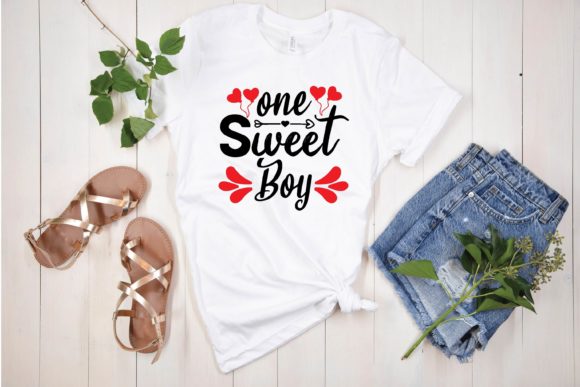
When I first pulled up the One Sweet Boy Svg file on my screen, I wasn’t looking for just another cute graphic to fill a folder. As an embroidery designer and product reviewer, I am constantly hunting for assets that translate well from a flat digital image into a textured, stitched reality. This design caught my eye immediately because of its clean lines and versatile theme. It promises to be more than just a digital download; it has the potential to become a staple in a craft business or a cherished personalized gift.
The description notes that this is an instant download cutting file compatible with software like Cricut and Silhouette. While it is marketed primarily for cutting, my job is to look at these graphics through the lens of a stitcher. Can this machine embroidery design hold up under the needle? Does it have the structural integrity required for a durable finished product? Let’s break down how this asset performs in real-world scenarios.
First Impressions: Mood and Visual Personality
The visual personality of One Sweet Boy Svg is warm, approachable, and timeless. It doesn’t rely on overly complex gradients or tiny, fragile details that often get lost in translation when moving from vector to thread. Instead, it offers bold shapes and clear definitions. For an embroidery project, this is a significant advantage. Complex T-Shirt Designs often require excessive stitch density to capture detail, which can lead to puckering or stiffness. This design, however, feels open and breathable.
The mood it creates is one of gentle celebration. It fits naturally into categories like baby showers, first birthdays, or family reunions. When I visualize this as an embroidered patch or directly stitched onto a garment, I see a piece that communicates affection without being overly saccharine. It strikes a balance that appeals to modern parents and gift-givers who want something stylish yet sentimental.
Real-World Application: From Screen to Stitch
To truly evaluate a design, you have to imagine it on actual fabric. I recently worked on a custom order for a boutique client who wanted matching outfits for a sibling set. The One Sweet Boy Svg would have been perfect for the older brother’s sweatshirt embroidery. Because the design is likely composed of solid shapes, it lends itself well to fill stitch techniques, which provide excellent coverage and a plush, premium feel.
Consider the versatility here. This isn’t limited to clothing. Imagine this design stitched onto a heavy canvas tote bag design. The bold lines would stand out beautifully against the textured weave of the fabric. Or picture it as part of a nursery decor set, perhaps embroidered on a pillow cover or a blanket border. The simplicity of the graphic ensures it doesn’t clash with other patterns in a room, making it a safe yet impactful choice for interior design assets.
For Etsy sellers and small shop owners, this type of graphic is gold. It allows for quick customization. You can easily pair it with names or dates using your preferred font, creating a unique personalized gift in minutes. The ability to scale the design without losing clarity means you can adapt it for various products, from a tiny pocket accent on a onesie to a large back print on a hoodie.
Technical Considerations for Embroiderers
While the design looks promising, practical application requires caution. Since this is originally a cutting file, converting it for embroidery requires careful digitizing if a native embroidery file isn’t provided. If you are working with the SVG directly in embroidery software that supports auto-digitizing, pay close attention to the stitch density. Auto-digitizers often create too many stitches in small areas, leading to thread breaks or fabric distortion.
Here are some critical factors to consider before starting your next embroidery project:
- Hoop Size: Ensure the design fits comfortably within your hoop. Leaving at least an inch of margin around the design prevents hoop burn and allows for proper stabilization.
- Stabilizer Choice: For stretchy fabrics like t-shirts or baby clothes, use a cut-away stabilizer to support the weight of the stitches. For woven fabrics like tote bags or aprons, a tear-away might suffice, but test first.
- Thread Colors: This design likely relies on contrast. Test your thread colors against the fabric background. A dark thread on a dark fabric will vanish, while a light thread on a white towel might lack definition.
- Fabric Texture: Avoid using this design on highly textured fabrics like thick wool or looped towels unless you use a topping. The smooth lines of the SVG may get distorted by the uneven surface.
If you plan to use this on curved surfaces like caps, be mindful of the design’s width. Wide designs can cause wrapping issues or distortion on the front panel of a hat. In such cases, scaling down the One Sweet Boy Svg or simplifying the stitch path is essential.
Commercial Viability and Brand Consistency
For those running a craft business, consistency is key. This design fits well into a brand aesthetic that values cleanliness and warmth. It doesn’t scream "cheap novelty"; instead, it suggests thoughtful curation. When customers see a well-executed version of this design on a high-quality garment, it builds trust. They perceive the item as a professional handmade product rather than a mass-produced commodity.
However, always verify the licensing terms. The product description mentions it is compatible with cutting machines, but it does not explicitly state commercial embroidery rights. Before selling finished items or using it in commercial embroidery projects, confirm whether the creator allows for commercial use of the derived embroidery files. Many SVG creators allow personal use but require an extended license for commercial sales. Protecting your business means respecting intellectual property.
Final Verdict: Is It Worth the Stitch?
The One Sweet Boy Svg is a strong contender for your digital library, provided you approach it with a designer’s eye. It is not just a graphic; it is a foundation for creation. Whether you are making a holiday embroidery gift for a nephew or stocking your online store with best-selling custom apparel, this design offers the flexibility and charm needed to succeed.
My advice? Start small. Digitize or convert the file, then stitch it out on a scrap piece of fabric similar to your final product. Check the tension, inspect the corners for tightness, and ensure the satin stitch or running stitch boundaries are clean. Once you have mastered the technical side, let the design do what it does best: bring a smile to the face of the recipient. In the world of handmade goods, that emotional connection is the true measure of a design’s value.