Hopster Svg: A Designer’s Real-World Embroidery Review
As a designer who has spent years translating digital vectors into tangible thread, I approach every new machine embroidery design with a mix of curiosity and caution. We have all been there: you download a file that looks crisp on the screen, only to find it turns into a puckered mess or an indistinguishable blob once the needle hits the fabric. Today, I am taking a close look at Hopster Svg, evaluating it not just as a graphic asset, but as a viable component for real-world craft business items and personalized gifts.
The listing describes this as an instant download containing SVG, PNG, DXF, and EPS files in high resolution. For those of us working primarily with embroidery machines, the presence of vector formats like SVG and EPS is a double-edged sword. It offers incredible flexibility for resizing and editing, but it also places the responsibility of stitch generation squarely on our shoulders if we are converting these graphics manually. However, even if you are using this as a reference for manual digitizing or as a printed guide for hand embroidery, the structural integrity of the design is paramount.
First Impressions: Mood and Visual Personality
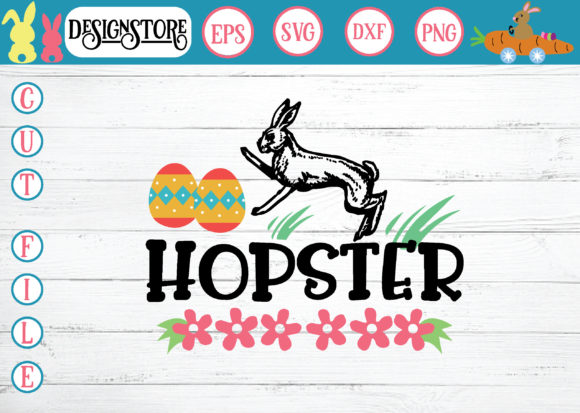
When I first opened the files for Hopster Svg, the immediate impression was one of playful simplicity. The design does not rely on excessive complexity to make its point. Instead, it leans into clean lines and recognizable shapes. In the world of T-Shirt Designs and Graphics, this kind of clarity is often what separates a bestseller from a cluttered afterthought. The mood is lighthearted and approachable, which makes it naturally suited for projects intended to bring a smile—think baby items, casual weekend wear, or cheerful home decor.
From a layout perspective, the balance feels intentional. There is enough negative space to allow the stitches to breathe, which is crucial for maintaining the texture of the fabric underneath. A common mistake in amateur designs is overcrowding, where every pixel is filled with thread. Hopster Svg avoids this trap, suggesting a design that respects the medium of embroidery rather than fighting against it.
Real-Case Scenario: The Custom Tote Bag Test
To truly understand how this design performs, I mentally placed it into a recent project scenario: a custom embroidered tote bag for a local farmer’s market vendor. The client wanted something eye-catching but durable, capable of withstanding frequent washing and heavy use. I envisioned placing Hopster Svg centrally on a sturdy canvas tote.
In this context, the design’s scalability became its strongest asset. Because the source files include high-resolution SVG and EPS formats, I could scale the graphic up to fit a larger hoop without losing edge definition. On a thick canvas fabric, a design with clear, bold outlines holds up significantly better than one with faint, wispy details. The visual weight of Hopster Svg suggests it would anchor the bag nicely, providing a professional finish that elevates the perceived value of the handmade product.
If I were stitching this, I would likely opt for a combination of satin stitch for the borders to create a raised, tactile edge, and a lighter fill stitch for any larger internal areas. This approach ensures the design remains flexible enough to move with the fabric, preventing the stiff, cardboard-like feel that often plagues poorly executed embroidery projects.
Versatility Across Apparel and Decor
Beyond tote bags, the versatility of this design shines in various other applications. For sweatshirt embroidery, the soft, looped texture of fleece requires a design that does not get lost in the pile. Hopster Svg, with its distinct shape language, would stand out well against textured backgrounds, provided the thread colors are chosen with sufficient contrast. I would recommend testing a running stitch outline first to stabilize the area before applying heavier stitches, ensuring the final finished product lies flat.
For baby embroidery, such as on onesies or burp cloths, the gentle aesthetic of the design is a perfect match. Parents often seek items that feel personal and sweet without being overly gendered or aggressive in style. Here, the simplicity of the graphic allows for soft pastel thread colors to take center stage. However, when working on stretchy knit fabrics typical of baby clothes, using the correct stabilizer is non-negotiable. The design’s integrity will depend heavily on your hooping technique and stabilizer choice, not just the file itself.
In the realm of holiday embroidery or seasonal gifts, this graphic could easily be adapted. By changing the color palette, you can shift the mood from everyday casual to festive. Imagine it stitched in red and green for Christmas, or bright oranges and blacks for Halloween. This adaptability makes it a valuable asset for Etsy sellers and small shop product creators who need to rotate inventory based on seasons without constantly buying new designs.
Technical Considerations and Potential Pitfalls
While Hopster Svg is robust, there are areas where caution is necessary. If you plan to use this on curved surfaces like caps, you must consider the distortion that occurs during stitching. Complex corners or tiny details can pull and warp on a curved hat panel. I advise simplifying any intricate elements if you are manually digitizing this for headwear. Additionally, for very small hoop size applications, such as a 4x4 inch patch, ensure that the smallest details remain large enough to be stitched cleanly. Threads have a minimum width; anything too fine will break or disappear.
Another critical factor is fabric texture. On dark or heavily textured fabrics, the visibility of the design depends entirely on thread contrast. I always recommend creating a black-and-white mockup before committing to thread. If the design relies on subtle shading that disappears in grayscale, it may not translate well to embroidery, which is a medium of solid colors and textures rather than gradients.
Practical Notes for the Professional Maker
Before you list this as a commercial embroidery item or use it in client work, here are my practical recommendations:
- Test on Scrap Fabric: Never skip the test stitch. Use the same fabric and stabilizer combination you plan to use for the final product.
- Check Stitch Density: If you are converting the SVG to an embroidery file yourself, monitor your stitch density. Too dense, and you risk perforating the fabric; too sparse, and the backing shows through.
- Verify Licensing: The product description mentions it is for printing on various items, but always confirm the specific license terms for commercial embroidery sales. Some digital assets have restrictions on mass production.
- Color Contrast: Choose thread colors that pop against your fabric. High contrast enhances the clarity of the design and improves the professional look of the custom apparel.
- Mockup Testing: Use the included PNG files to create printable mockup previews for your online store. This helps customers visualize the personalized gift potential before they buy.
Final Verdict: Is It Worth Your Thread?
In the crowded marketplace of design assets, Hopster Svg stands out as a reliable, versatile option for makers who value clarity and charm. It is not just a graphic; it is a foundation for a wide range of craft business products. Whether you are creating an embroidered patch for a jacket, a tote bag design for a market stall, or a sweet baby embroidery piece for a shower gift, this design holds up under scrutiny.
Its strength lies in its simplicity and adaptability. For the creative entrepreneurs and hobbyists looking to expand their portfolio with reliable, engaging visuals, Hopster Svg offers a solid return on investment. Just remember that the file is only half the equation; your skill in hooping, stabilizing, and thread selection will ultimately determine the success of your embroidery project. Treat it with the respect it deserves, and it will serve your small shop well.