Mister Lucky SVG: A Designer’s Real-World Review
As a designer who has spent countless hours digitizing files and troubleshooting machine errors, I approach every new mister lucky svg with a mix of curiosity and caution. We have all been there: you download a file that looks crisp on the screen, only to find it turns into a tangled mess of thread once it hits the fabric. Today, I am evaluating this specific design not just as a digital asset, but as a viable component for real-world embroidery projects. Whether you are an Etsy seller looking to expand your catalog or a hobbyist making personalized gifts, understanding how a graphic translates from vector to stitch is crucial.
First Impressions and Visual Personality
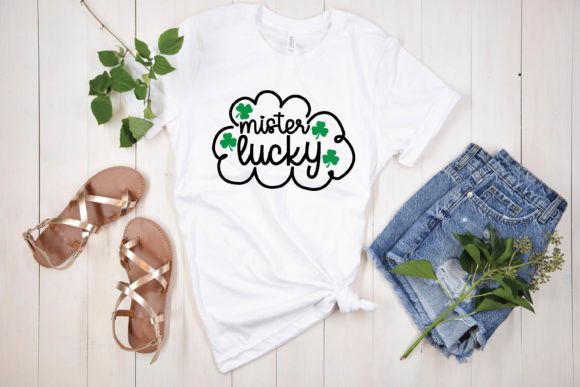
The first thing that strikes me about the mister lucky svg is its bold, confident aesthetic. It carries a playful yet masculine vibe that fits perfectly within the current trend of retro-inspired T-Shirt Designs. The layout suggests a balance between negative space and solid shapes, which is essential for clean embroidery. When I visualize this as a set of Graphics, I see potential beyond just flat printing. The lines appear distinct enough to hold their shape under tension, which is a good sign for stitch clarity.
This design does not scream "complexity," which is often a benefit in embroidery. Overly detailed designs can lead to excessive stitch counts and long run times. Instead, this piece feels accessible. It creates a mood of casual charm, suitable for men, women, kids, and babies alike. This versatility is rare in niche designs and makes it a strong candidate for small shop owners who need assets that appeal to a broad demographic without losing character.
Real-World Application Scenarios
To truly test the viability of any design, I imagine it in specific use cases. Let us consider a custom embroidered tote bag. Tote bags are typically made from canvas or heavy cotton, fabrics that handle higher stitch densities well. Placing the mister lucky svg centrally on a natural-colored canvas would create a striking contrast. The boldness of the design ensures it remains legible even from a distance, adding value to what is otherwise a simple accessory.
Another strong application is sweatshirt embroidery. Hoodies and crewnecks have become staples in custom apparel. Because these garments are often dark or heathered, the design needs to pop. If the original file allows for easy color separation, you could use bright thread colors against a navy or charcoal background. This transforms a basic garment into a boutique product. For baby items, such as a onesie or a burp cloth, the scale becomes critical. You would need to resize the design significantly. Here, the simplicity of the graphic works in your favor, provided you adjust the stitch density to prevent puckering on delicate knit fabrics.
Considerations for Challenging Fabrics
While the design is versatile, there are areas where caution is necessary. Embroidering on stretchy fabric, like performance tees or thin jersey, requires careful stabilization. If the mister lucky svg contains large fill areas, it may pull the fabric if not properly backed with a cut-away stabilizer. Similarly, curved surfaces like caps present a challenge. The hoop size must be appropriate, and the design should be centered carefully to avoid distortion near the seams.
Dark fabrics also require strategic planning. If you are stitching on black, ensure your thread colors have enough contrast. A common mistake is using dark greens or blues on black fabric, which renders the design invisible from afar. Always test your thread palette on scrap fabric before committing to the final product. This step saves time, money, and reputation, especially for commercial embroidery projects where consistency is key.
Technical Performance and Stitch Quality
Since this is described as an instant download cutting file compatible with software like Cricut and Silhouette, it is important to clarify the workflow for embroiderers. Cutting files are vectors, which means they define shapes but not stitches. To use this for embroidery, you must either digitize it yourself or convert it using reliable software. If you are digitizing, pay attention to the corners. Sharp angles in vector graphics can cause thread breaks if not softened with proper underlay stitching.
For those who may already have an embroidered version or are converting it, check the stitch density. High-density fills can make garments stiff and uncomfortable, particularly on baby clothes or t-shirts. Aim for a balanced approach using satin stitches for borders and lighter fill stitches for larger areas. Running stitches can be effective for internal details to keep the weight down. Always review the design in a 3D preview if your software allows it, checking for potential jumps or trims that could slow down production.
Commercial Viability and Brand Consistency
For craft business owners and Etsy sellers, the mister lucky svg offers a quick route to market-ready products. Its theme aligns well with birthday celebrations, casual wear, and everyday accessories. When creating printable mockups for your online store, ensure the design looks realistic on the product photos. Customers buy with their eyes, and a well-presented embroidered patch or tote bag design can significantly boost buyer engagement.
However, professionalism extends beyond the design itself. You must confirm licensing terms before selling finished items. While many instant downloads allow for commercial use, some restrict the number of physical items you can sell or prohibit the resale of the digital file itself. Always read the license agreement included with your purchase. Transparency with customers about the handmade nature of your product builds trust. Mentioning that you use high-quality threads and proper stabilizers in your product descriptions can further enhance perceived value.
Practical Designer Notes
- Test on Scrap Fabric: Never run a new design directly on customer goods. Use similar fabric weights to test tension and density.
- Check Thread Contrast: View your design in black and white to ensure the shapes remain distinct without color reliance.
- Verify Hoop Size: Ensure the resized design fits comfortably within your machine’s hoop, leaving room for clamping.
- Stabilizer Selection: Use tear-away for stable woven fabrics and cut-away for stretchy knits to maintain shape after washing.
- Inspect Small Details: Zoom in on the vector file to check for open nodes or tiny elements that may not stitch out cleanly.
In conclusion, the mister lucky svg is a promising asset for designers willing to put in the preparatory work. It bridges the gap between digital graphics and tactile embroidery, offering flexibility across various products from aprons to pillow covers. By respecting the technical limitations of embroidery machines and focusing on quality execution, you can turn this simple download into a standout piece in your portfolio. Remember, the best embroidery projects are those where the technology serves the art, not the other way around. Take your time, test thoroughly, and let the design shine through precise stitching.