Reviewing Don t Talk to Me Funny for Embroidery
As a designer who has spent countless hours staring at digitized files and watching needles dance across fabric, I have learned that not every graphic translates well into thread. When I first encountered Don t Talk to Me Funny, my initial reaction was one of cautious curiosity. The phrase itself carries a bold, humorous attitude that resonates with modern consumers, but the real question for any serious embroidery professional is whether the visual execution supports that personality when stitched out. This is not just about downloading a file; it is about understanding how an illustration behaves under the pressure of a needle and hoop.
First Impressions and Visual Personality
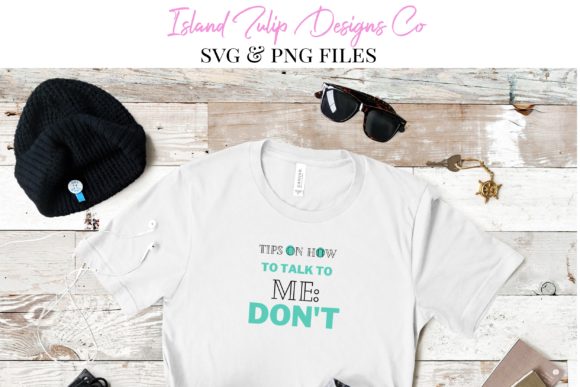
The mood of Don t Talk to Me Funny is immediately clear: it is sassy, direct, and playful. In the world of Illustrations and Graphics, this type of design relies heavily on typography and layout balance. For embroidery, this means we are looking at potential challenges with letter spacing and stroke width. My first impression suggests that this design works best when it feels substantial. Thin, wispy lines often get lost in the texture of fabric, so a design with this kind of attitude needs enough visual weight to stand up to the material it is placed on.
The layout appears to prioritize readability, which is crucial for a text-based statement piece. If the letters are too close together, the satin stitch or fill stitch areas might merge, creating a muddy appearance. Conversely, if they are too far apart, the design loses its cohesive impact. From a reviewer’s perspective, the charm here lies in the simplicity. It does not try to be overly complex, which is often a blessing for machine embroidery where complexity can lead to thread breaks and registration issues.
Real-World Application: The Custom Sweatshirt Test
To truly evaluate Don t Talk to Me Funny, I imagined a specific real-life scenario: a custom order for a boutique client wanting personalized gifts for her staff. She requested sweatshirt embroidery for a team that values humor and comfort. This is a classic use case for this type of machine embroidery design. Sweatshirts provide a stable, thick canvas that can handle moderate stitch density without puckering excessively.
In this context, the design would likely sit centered on the chest or perhaps slightly off-center for a more modern look. The humor of the phrase pairs perfectly with the casual nature of a sweatshirt. Customers reacting to such a product are usually looking for conversation starters or relatable content. A well-executed Don t Talk to Me Funny piece on a high-quality garment signals that the maker understands current trends. It transforms a basic piece of clothing into a handmade product with personality. However, the success of this project hinges on the technical setup. Using the right stabilizer is non-negotiable here to prevent the heavy fabric from distorting the text during stitching.
Versatility Across Product Types
Beyond apparel, this design shows promise for various other items. Consider a tote bag design. Canvas totes are popular among Etsy sellers and small shop owners because they are durable and easy to customize. The bold nature of the graphic would pop against natural cotton canvas. Similarly, as a embroidered patch, this design could be applied to denim jackets or backpacks. Patches allow for dense stitching without worrying about the base fabric’s stability, making them ideal for designs with solid fill areas.
For home decor, think about pillow covers or kitchen towels. A holiday embroidery gift or a housewarming present featuring this humorous quote adds a touch of wit to domestic spaces. However, one must be careful with textured fabrics like terry cloth towels. The loops can interfere with small details, so testing on scrap fabric is essential. If the design includes fine lines, they might disappear into the pile of the towel. In such cases, adjusting the thread colors to create higher contrast or simplifying the stitch path might be necessary.
Technical Considerations and Potential Pitfalls
While the concept is strong, there are areas where Don t Talk to Me Funny requires careful handling. Small hoop sizes can be problematic if the design is wide. Cramping the text into a 4x4 inch hoop might force the letters to become too small, leading to readability issues. Always confirm the recommended hoop size before starting. Additionally, curved surfaces like caps present a challenge. Embroidering on a cap requires specialized hoops and often results in some distortion. If the design has long horizontal lines, they might appear wavy on a curved brim.
Another critical factor is fabric choice. On stretchy fabrics like jersey knits, without proper cut-away stabilizer, the design can pucker over time. Dark fabrics require careful selection of thread colors. If the design relies on subtle shading, it may not show up well on black or navy blue materials. Testing the design in black and white mockups can help visualize contrast issues before you waste expensive thread. Furthermore, check the stitch density. If the file is too dense, it can perforate delicate fabrics or make the finished product stiff and uncomfortable to wear.
Commercial Value and Brand Consistency
For craft business owners, the value of a design like Don t Talk to Me Funny lies in its marketability. Humorous, relatable quotes sell well because they connect emotionally with buyers. It enhances buyer engagement on social media platforms where users share photos of their purchases. However, professionalism is key. A sloppy stitch-out reflects poorly on your brand. Ensuring that every letter is crisp and clean builds customer trust.
When using this as a digital embroidery file for commercial projects, always verify the licensing terms. Some files are for personal use only, while others allow for unlimited commercial production. Since the product description mentions files come in SVG and PNG formats, it is important to note that these are typically vector and raster image formats, not native embroidery machine formats like PES or DST. You will need embroidery software to convert these graphics into stitch files unless the provider also supplies the embroidered formats. This conversion step is where your expertise as a designer adds value, allowing you to optimize the applique design or adjust stitch types for better performance.
Final Designer Notes
Before committing to a large batch of custom apparel or small shop product runs, take the time to test. Stitch out Don t Talk to Me Funny on the exact fabric you plan to use. Check for thread breaks, nesting, and overall clarity. Compare light and dark fabric backgrounds to ensure versatility. Remember, a great design is only as good as its execution. By paying attention to fabric texture, stabilizer choice, and stitch optimization, you can turn this funny graphic into a high-quality finished product that customers love. Whether for a baby embroidery project, a witty water bottles label companion, or wall art, the key is adapting the digital asset to the physical realities of embroidery.