Made to Get Laid Svg: A Designer’s Practical Review
As an embroidery designer who has spent countless hours digitizing, testing, and stitching out files for clients, I have developed a keen eye for what works in the real world. We often see digital assets marketed with high energy but low practicality. Today, I am taking a close look at Made to Get Laid Svg. While the product description highlights its compatibility with cutting machines like Cricut and Silhouette, my focus is strictly on how this graphic translates into a tangible, high-quality embroidery project. Whether you are an Etsy seller, a boutique owner, or a hobbyist looking to create a standout personalized gift, understanding the nuance of this design is crucial before you hit the start button on your machine.
First Impressions and Visual Personality
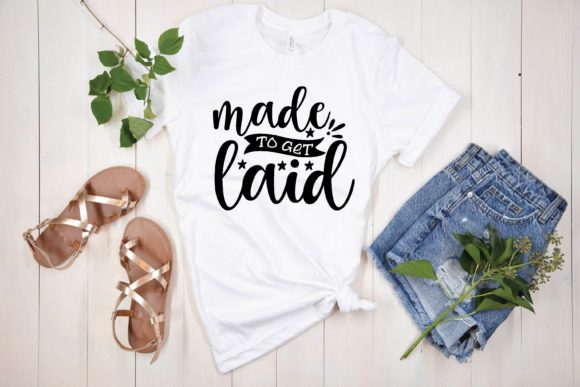
The first thing that strikes me about Made to Get Laid Svg is its bold, unapologetic attitude. In the realm of T-Shirt Designs and apparel graphics, humor and edge often drive sales. This design carries a mood that is playful yet assertive. From a layout perspective, the shapes appear clean and distinct, which is a promising sign for digitization. Complex, messy vectors often result in jagged stitches, but a clear silhouette suggests that the transition from vector graphic to machine embroidery design can be smooth if handled correctly.
The visual personality here is modern and direct. It does not rely on excessive ornamentation, which is a benefit for embroidery. Overly detailed graphics can become muddy when stitched onto fabric, especially at smaller sizes. This design’s simplicity allows it to breathe, making it a strong candidate for various applications where clarity is key. It feels like a piece of design assets that belongs in a contemporary wardrobe or home decor collection, appealing to customers who appreciate wit and modern aesthetics.
Real-World Application: The Custom Sweatshirt Test
To truly evaluate a design, I imagine it in a specific, real-life scenario. Let’s consider a custom order for a trendy streetwear brand. The client wants a statement piece, something that sparks conversation. I visualize Made to Get Laid Svg stitched onto a heavyweight, charcoal grey sweatshirt. This is a classic use case for sweatshirt embroidery.
In this context, the design needs to hold its own against the texture of the fleece. Because the graphic is likely composed of solid shapes rather than fine lines, it would perform well using fill stitch techniques. The density of the fill will provide a premium, raised texture that feels substantial to the touch. Customers often associate this tactile quality with higher value, which is essential for small shop product success. If I were producing this for a craft business, I would ensure the stitching direction follows the natural flow of the design elements to minimize pull and distortion on the stretchy fabric.
Beyond apparel, this graphic has versatility. Imagine it as a central motif on a canvas tote bag design. The sturdy nature of canvas can handle denser stitching, allowing the design to pop without sinking into the weave. It could also work as an embroidered patch, ironed onto denim jackets or backpacks, offering a removable yet durable branding option for younger demographics.
Navigating Fabric and Hoop Constraints
While the design is versatile, it is not without its technical challenges. As a reviewer, I must point out where caution is needed. If you plan to use Made to Get Laid Svg on thin fabric or delicate materials like silk or lightweight rayon, you must be vigilant about stabilizer choice. A heavy fill stitch can cause puckering if the fabric is not properly supported. I always recommend using a cut-away stabilizer for garments that will be washed frequently, as it provides long-term stability.
Another critical factor is hoop size. If you are working with a small 4x4 hoop, you may need to scale the design down. However, shrinking a graphic too much can lead to loss of detail. Tiny corners might become blunt, and small text elements—if any are integrated into the broader graphic theme—could become illegible. Always check the smallest elements of your design against your machine’s minimum stitch length capabilities. For baby embroidery or kids' items, where safety and comfort are paramount, ensure that the back of the stitching is clean and covered, perhaps with a soft tear-away backing, to prevent skin irritation.
Textured fabrics present another hurdle. On a thick terry cloth towel or a ribbed knit, the design might get lost in the fabric’s texture. In these cases, increasing the stitch count slightly or using a contrasting thread colors palette can help the design stand out. For dark fabrics, ensure your thread choice has enough brightness to create visual separation. A black design on a navy shirt, for example, will vanish unless you use a lighter shade or add a satin stitch border.
Commercial Viability and Brand Consistency
For commercial embroidery professionals and Etsy sellers, the appeal of Made to Get Laid Svg lies in its marketability. Humor sells, but only if the execution is professional. A poorly stitched joke is just a mistake; a well-stitched one is a bestseller. This design, when executed with precision, enhances brand consistency for shops that cater to a bold, fun-loving audience. It adds to the giftability of the item, making it a perfect choice for bachelor parties, birthdays, or casual holiday gifts.
However, professionalism is key. Before listing this as a digital embroidery file or selling finished goods, you must verify the licensing terms. The description mentions it is an instant download compatible with cutting software, but it does not explicitly detail commercial rights for embroidery. Always confirm whether the license covers physical sales, digital redistribution, or both. Protecting your craft business from legal issues is just as important as the quality of your stitching.
Practical Designer Notes for Best Results
Before you commit to a full production run, follow these practical steps to ensure success with Made to Get Laid Svg:
- Test on Scrap Fabric: Never stitch directly on your final garment. Use a similar fabric scrap to test tension and density.
- Check Thread Contrast: View your design in black and white mockups to ensure the shapes are distinct without color reliance.
- Review Stitch Density: If you are digitizing this yourself from the SVG, avoid overly dense fills that can cause needle breaks or fabric stiffness.
- Inspect Small Details: Zoom in on the vector file. Are there stray nodes or tiny gaps? Clean up the vector before converting to ensure smooth running stitch paths and clean satin stitch borders.
- Confirm Hoop Size: Ensure the design fits comfortably within your hoop with adequate margin for stabilization.
- Use Proper Stabilizer: Match your stabilizer to your fabric weight. Heavy fabrics need less support; light fabrics need more.
In conclusion, Made to Get Laid Svg offers a compelling blend of humor and modern design that can elevate a range of handmade product offerings. From custom apparel to home decor, its potential is significant, provided you approach it with technical diligence. By respecting the limitations of your machine and fabric, and by prioritizing clean execution, you can turn this digital graphic into a high-value finished product that resonates with customers. Remember, the difference between a good design and a great embroidered item lies in the details of the stitch.